Guide
Guide to Cabudare and Barquisimeto
Places, festivals, music and quick facts about the two cities of the Turbio valley, with every fact linked to its source.
Quick facts
Cabudare · Palavecino
Barquisimeto · Iribarren
- Population (INE Census 2011)
- Iribarren municipality: 996,230 people (56.1% of the state)[8]
Cabudare
History
Cabudare has no founder: it was a settlement of haciendas and hamlets that the act of January 27, 1818, turned into a parish. That is the date it celebrates.[3][4]
Its history, on the History pageFestivals and traditions
What to see

Parque Nacional Terepaima
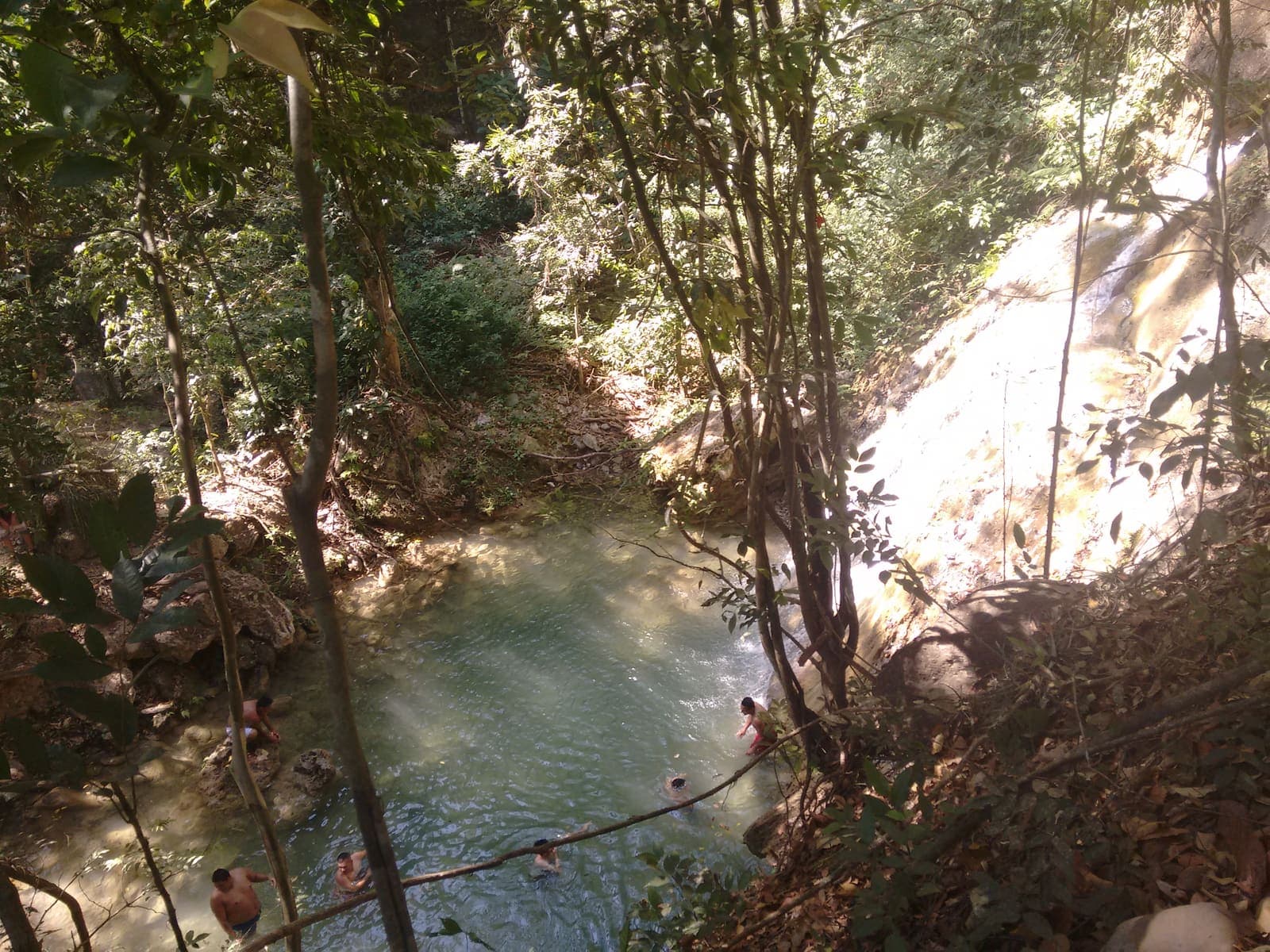
The mountain you see from Cabudare: humid forest and cloud forest between 300 and 1,775 meters, declared a national park on April 14, 1976. It protects the headwaters of rivers such as the Turbio and the Sarare and is home to threatened species such as the spectacled bear (oso frontino) and the jaguar. It has free entrances for hiking, cycling and bathing in streams. In 2026 its area was expanded to about 31,292.92 hectares.[5][6][7]
Iglesia San Juan Bautista and the founding quarter
The mother church was built on the land set aside by the 1818 act, donated by resident Antonio Tocoronte, and completed in 1834. Around it were laid out the main square, the main street (today Avenida Libertador) and the first houses. It is the starting point for a walk through the founding quarter.[3][4]
Capilla de Santa Bárbara
Considered Cabudare's first church and the only colonial remnant of its origins. The 1812 earthquake destroyed it and it was later rebuilt. It has been a Monumento Histórico Nacional (National Historic Monument) since 1960, and every December 4 the saint's Mass is held there.[3][23]
The Turbio valley and Tarabana
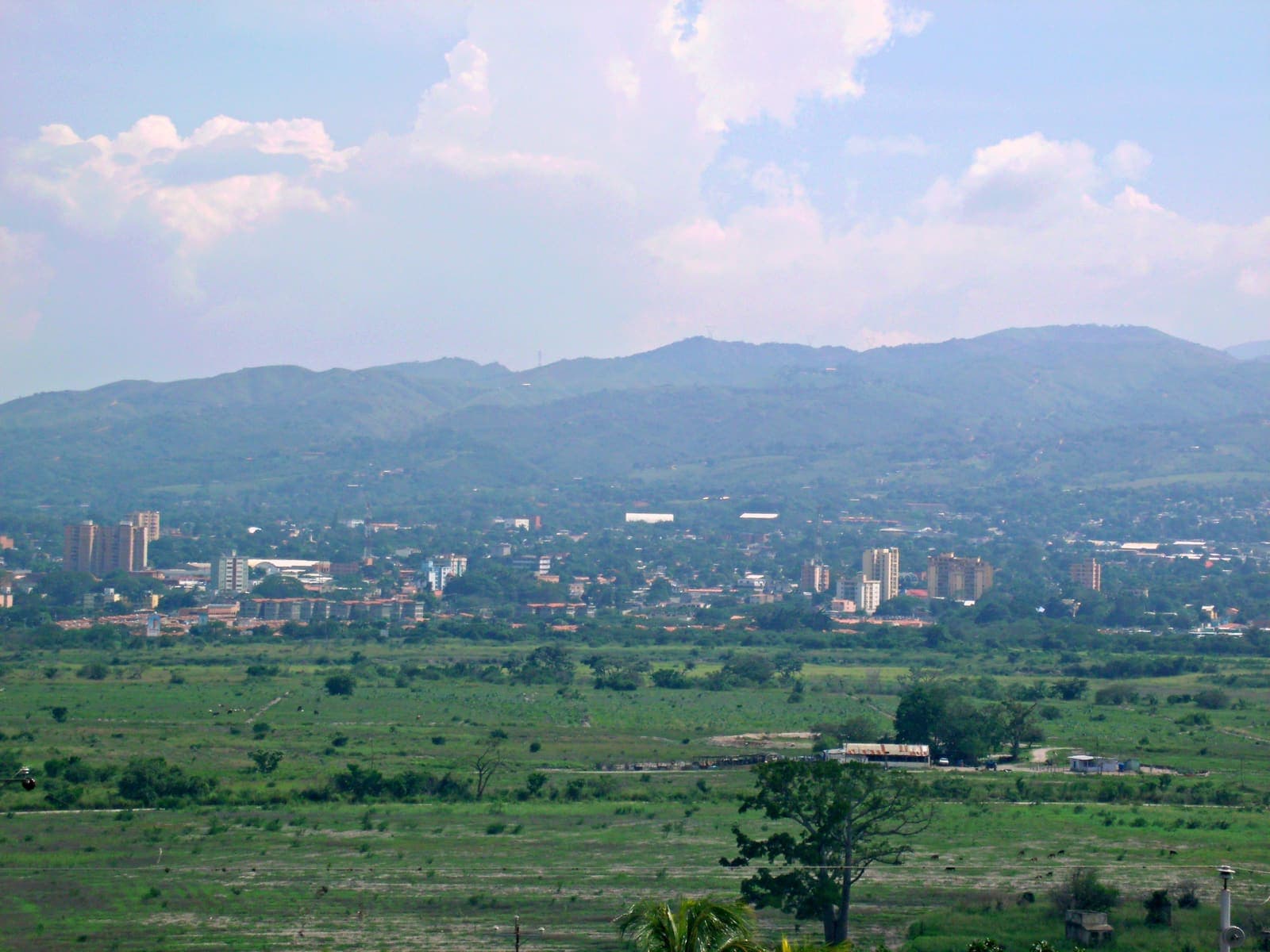
Cabudare sits between the Turbio valley, to the north, and Terepaima, to the south, on prime farmland and one of the country's important aquifers. Tarabana was the cradle of Lara's sugar industry. The whole valley can be seen from the Santa Rosa lookout.[1][3]
Barquisimeto
History
Juan de Villegas founded it in 1552 as Nueva Segovia, and around 1563 it settled on the plateau north of the Turbio River.[9][10]
Its history, on the History pageFestivals and traditions
- January 14
Divina Pastora procession
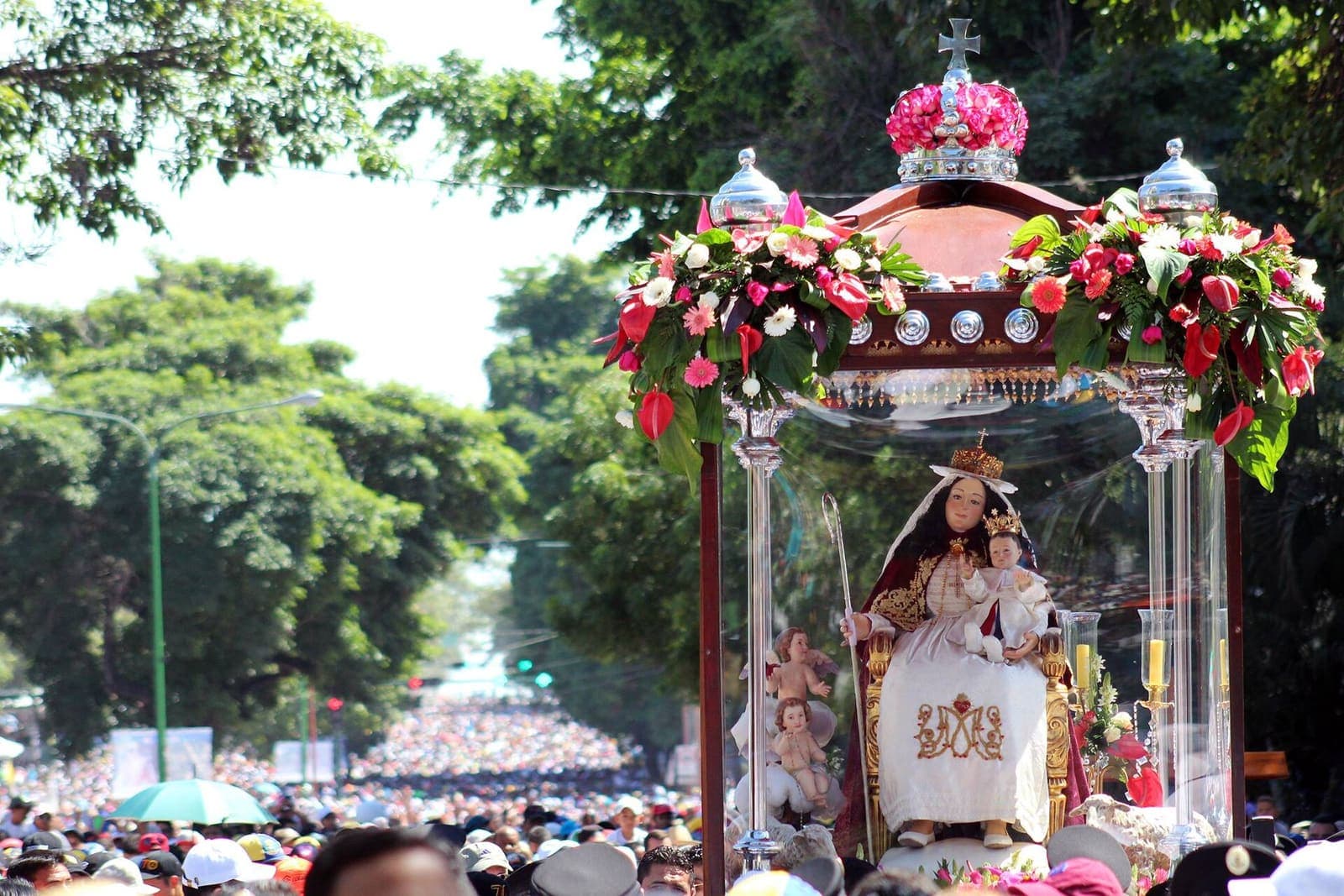
The image leaves Santa Rosa and travels about 7.5 km to the Cathedral; it then visits the parishes and returns to Santa Rosa before Palm Sunday. The tradition dates to 1856, when Father José Macario Yépez called a rogation against cholera. In 2026, local media estimated close to 4 million attendees; there is no official count.[11][12][13]
- September
Feria Internacional de Barquisimeto
Since 1967, for the city's anniversary: concerts, exhibitions and a livestock fair.[32]
- June 12 and 13
Tamunangue
Saint Anthony's danced festival, across the state.[24]
What to see

Catedral Metropolitana
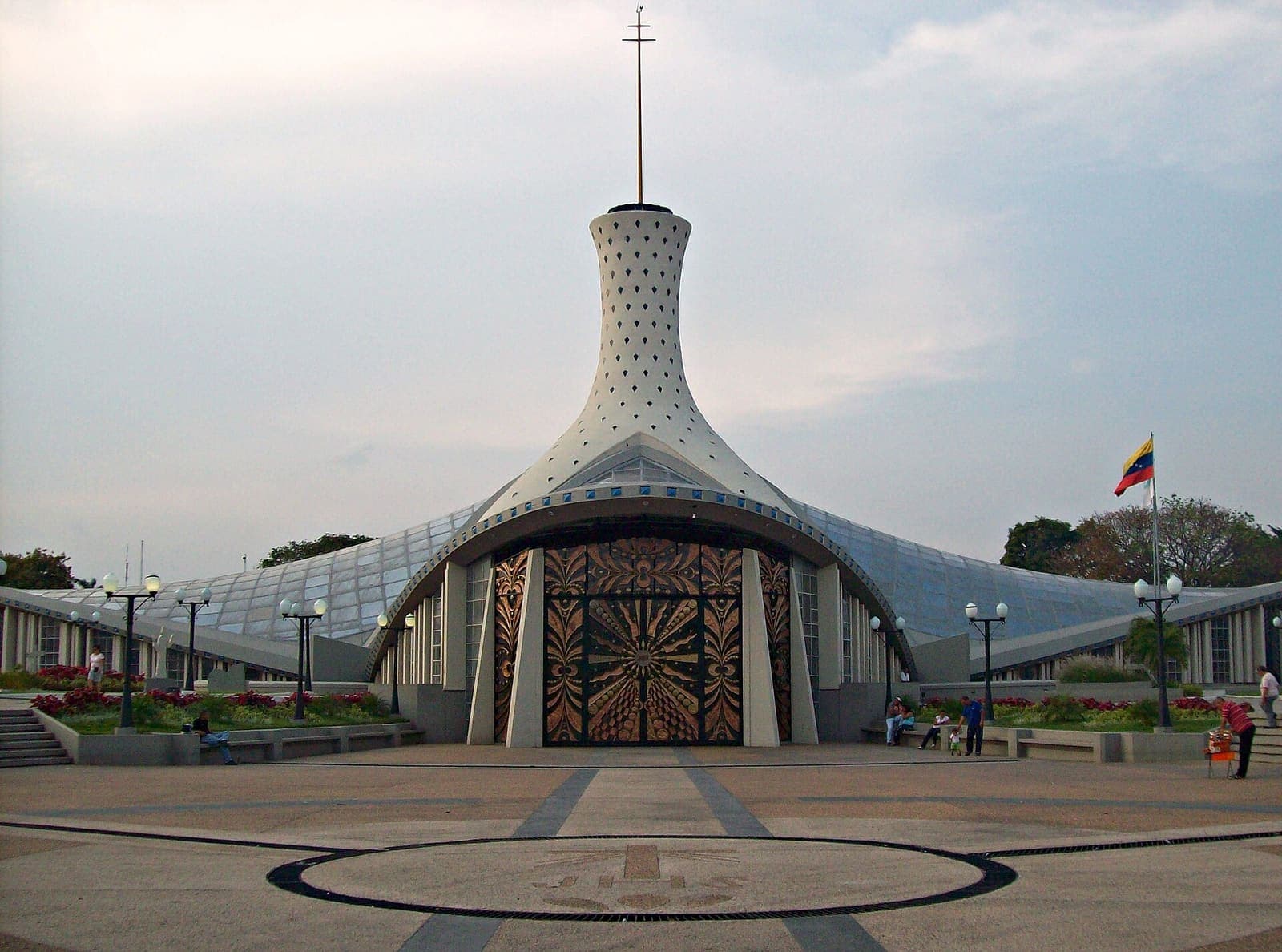
A modern church shaped as a hyperbolic paraboloid, with a roof that evokes an upside-down flower. It was built between 1953 and 1968 and consecrated on January 14, 1969, the same night it received the Divina Pastora. It is the destination of the great January procession.[11][14]
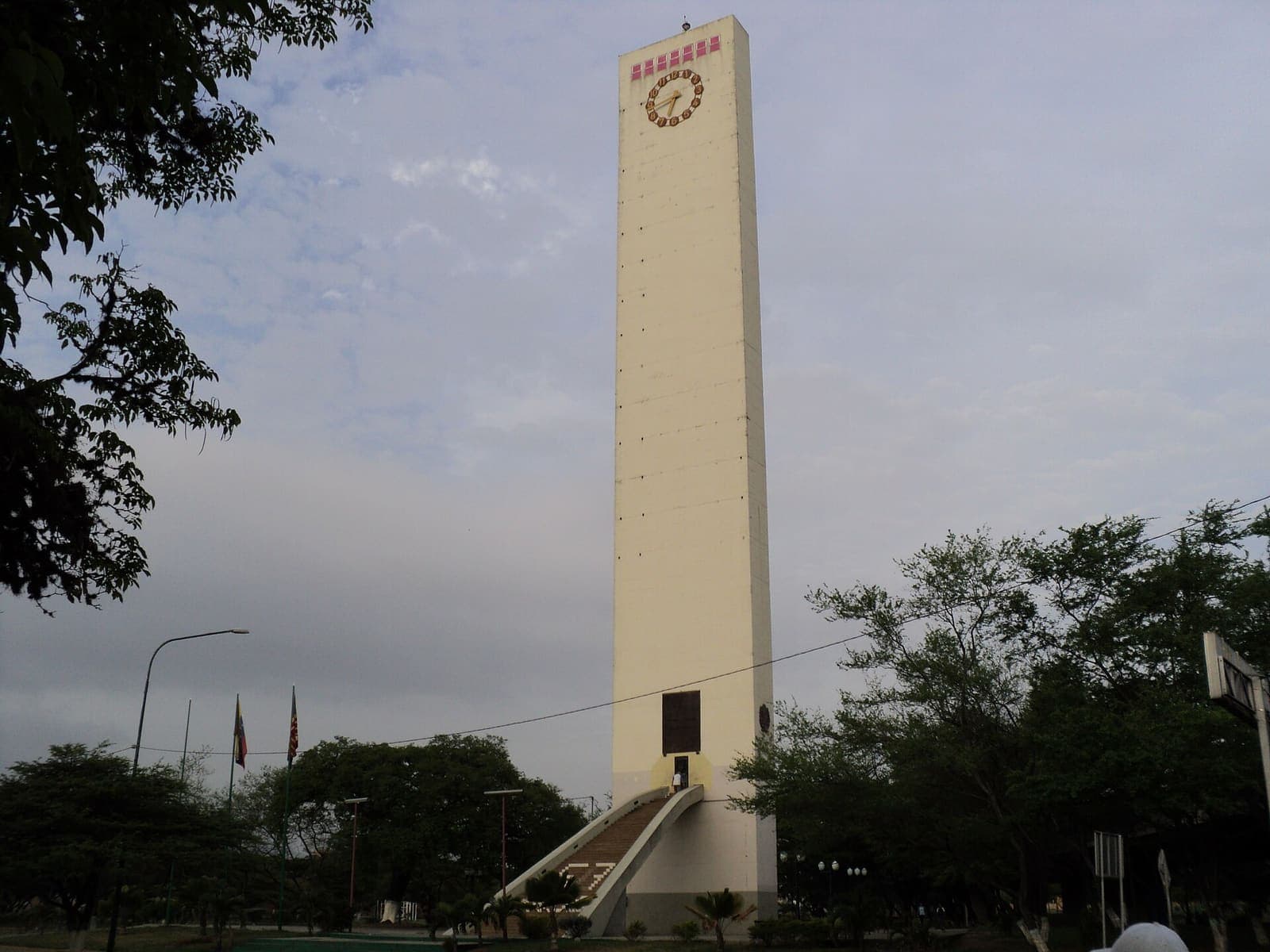

Obelisco
A 70-meter concrete tower inaugurated on September 14, 1952, for the quadricentennial, with an elevator, a lookout and a large clock. It was designed by architect Gustavo Gutiérrez-Otero and appears on the city's flag.[9][10][15]
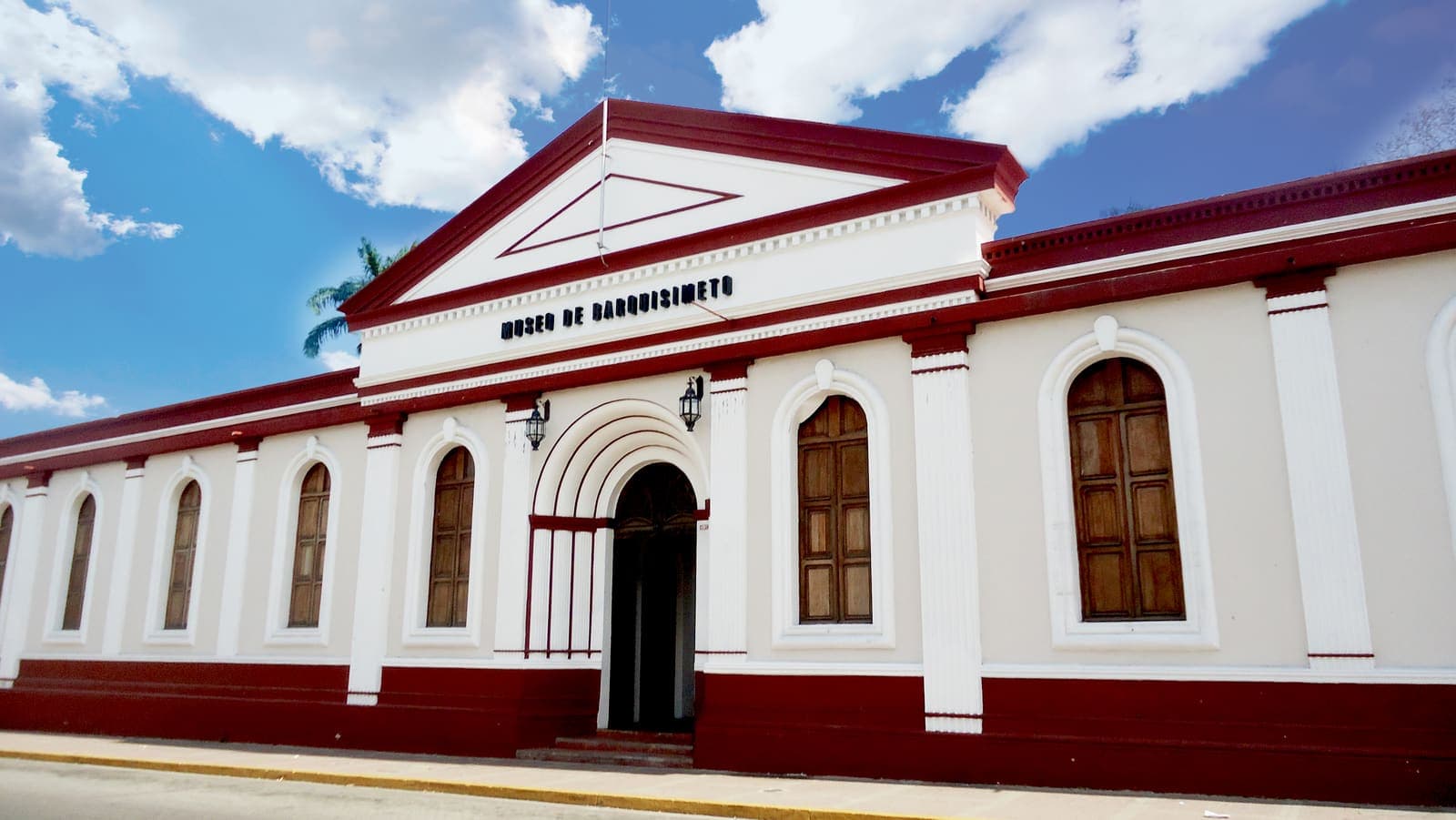

Museo de Barquisimeto
Housed since 1982 in the former Hospital de la Caridad, a neoclassical building erected between 1878 and 1917, with the Capilla de San Miguel in its courtyard. Exhibitions on history, art and local memory.[17]
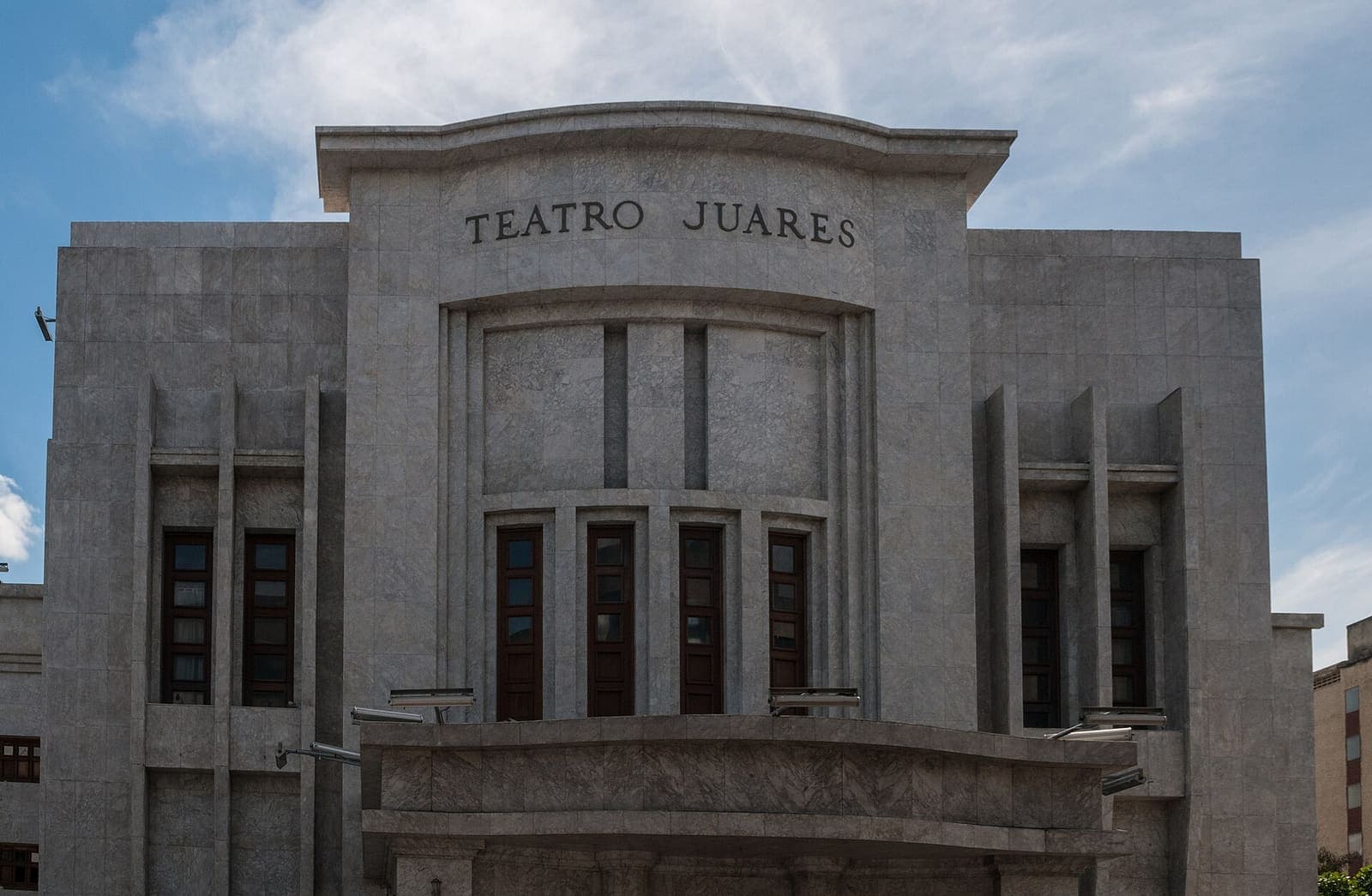

Teatro Juares
The state's first performance hall, opened in 1905 and named Juares in 1912. It reopened in 2009, after nearly ten years of renovation, with a concert conducted by Gustavo Dudamel. It has 708 seats.[18]
Santuario de Santa Rosa
The church of the town of Santa Rosa, where the image of the Divina Pastora has been venerated since the mid-eighteenth century. Next door, the Museo Arquidiocesano Divina Pastora holds more than 160 dresses, crowns, jewels and votive offerings. It has been a sanctuary since 2018.[11][22]
Parque Zoológico y Botánico Bararida
Opened in 1967 on a forest replanted in 1939. It covers about 18.5 hectares with some 150 plant species, and has bred the spectacled bear, the tapir and the manatee in captivity.[16]
Parque Ayacucho
Four hectares opened in 1933 for the centenary of the Battle of Ayacucho, with an equestrian statue of Marshal Sucre at the center.[19][20]
Flor de Venezuela
Fruto Vivas's structure of 16 movable petals, inspired by the tepuis and the orchid. It was Venezuela's pavilion at Expo 2000 in Hannover and opened in Barquisimeto in 2008.[21]
Iglesia de San Francisco de Asís
The city's former cathedral. Before the current one existed, the January 14 procession ended here.[9][11]
Parque del Este
Officially the José María Ochoa Pilé recreation park, it is one of the most visited by families and athletes.[9]
Music and crafts of Lara
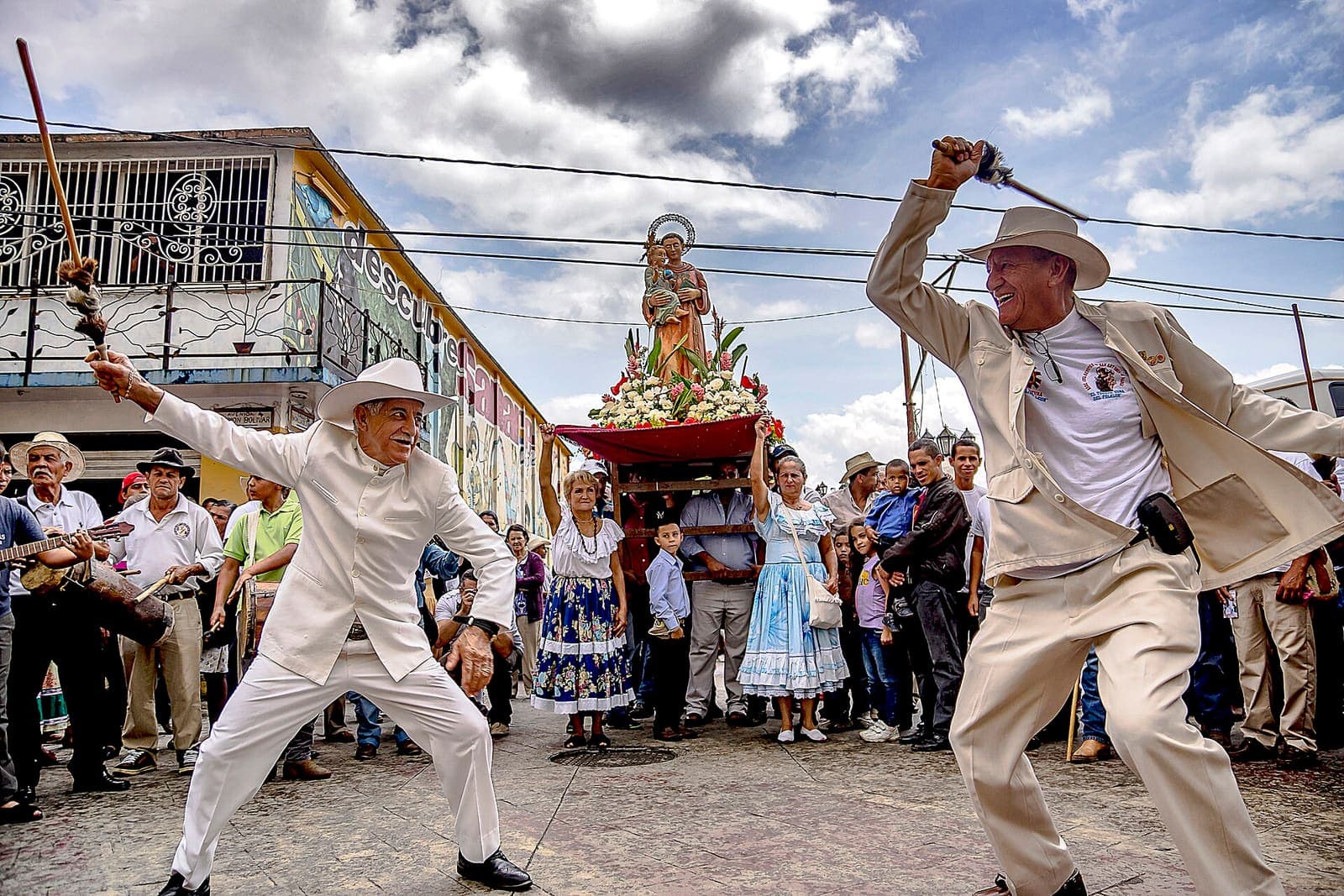

Tamunangue. A religious, danced celebration in honor of Saint Anthony of Padua, with Indigenous, African and Spanish roots. It was born in the El Tocuyo valley, linked to a confraternity from 1609, and is made up of eight sones that combine dance with a ceremonial game of garrotes (sticks), played on cuatros, cinco, maracas and drum. In Palavecino, pieces such as “La Bella” and “El Galerón” are sung. In 2024 the Ministerio de Cultura (Culture Ministry) announced that it would nominate it to UNESCO in 2026.[2][24][25]
Golpe tocuyano. A genre from El Tocuyo dating from the seventeenth and eighteenth centuries, sung by two voices in thirds with cuatro, medio cinco, requinto, tambora and maracas, in a rhythm that alternates 3/4 and 6/8. It was played at dawn after the velorios (wakes); between 1950 and 1960 figures such as Ernesto Torrealba and Adilia Castillo took it to the radio.[26]
Near Barquisimeto
Tintorero
A weaving town about 20 minutes from Barquisimeto, famous for its hammocks and chinchorros (open-weave hammocks). Its craft fair marked its 30th edition in August 2025, with some 170 artisans.[27][28]
Quíbor
The “Ciudad Artesanal de Venezuela” (Venezuela's Craft City) and one of the country's most important archaeological sites, home to the Museo Antropológico Francisco Tamayo. The town was founded in 1620 on an Indigenous settlement.[29]
Carora and the wine route
A colonial quarter of cobbled streets, a Monumento Nacional (National Monument) since 1977, and the country's main winemaking center: Bodegas Pomar has operated there since 1985.[30][31]
Guide sources
- 1.Wikipedia, Cabudare.
- 2.Wikipedia, Municipio Palavecino.
- 3.La Prensa de Lara, Cabudare celebra su aniversario 208 siendo una ciudad que ha tenido vocación comercial (Jan 27, 2026).
- 4.Correo de Lara (Yolanda Aris), El Día de Cabudare se celebra el 27 de enero (2020).
- 5.Wikipedia, Parque nacional Terepaima.
- 6.Correo de Lara (Yolanda Aris), 50 años del Parque Nacional Terepaima (14 de abril de 1976) (Apr 12, 2026).
- 7.La Prensa de Lara, Ampliación del Parque Nacional Terepaima fue publicada en gaceta oficial (Aug 28, 2026).
- 8.INE, XIV Censo Nacional de Población y Vivienda 2011. Resultados del estado Lara (copia archivada).
- 9.Wikipedia, Barquisimeto.
- 10.Encyclopaedia Britannica, Barquisimeto.
- 11.Wikipedia, Divina Pastora (Barquisimeto).
- 12.El Nacional, Procesión de la Divina Pastora congregó a casi 4 millones de personas en Barquisimeto (Jan 15, 2026).
- 13.Aleteia, Venezuela: 4 millones de personas en la procesión de la Divina Pastora (Jan 16, 2026).
- 14.Wikipedia, Catedral de Nuestra Señora del Carmen (Barquisimeto).
- 15.Wikipedia, Obelisco de Barquisimeto.
- 16.Wikipedia, Parque Zoológico y Botánico Bararida.
- 17.Wikipedia, Museo de Barquisimeto.
- 18.Wikipedia, Teatro Juares.
- 19.Wikipedia, Parque Ayacucho de Barquisimeto.
- 20.La Prensa de Lara, Parque Ayacucho, 91 años de vivencias e historia (Dec 19, 2024).
- 21.Wikipedia, Flor de Venezuela.
- 22.Wikipedia, Basílica de Santa Rosa (Barquisimeto).
- 23.Wikipedia, Santa Bárbara (Cabudare).
- 24.Wikipedia, Tamunangue.
- 25.Ministerio del Poder Popular para la Cultura, Venezuela busca que la arepa, el joropo y el tamunangue sean reconocidos como patrimonios de la humanidad (May 16, 2024).
- 26.Wikipedia, Golpe tocuyano.
- 27.Wikipedia, Tintorero (Venezuela).
- 28.Noticias Barquisimeto, ¡Vuelve la tradición! Tintorero se prepara para la 30ª edición de su Feria Artesanal (Aug 25, 2025).
- 29.Wikipedia, Quíbor.
- 30.Wikipedia, Carora.
- 31.Wikipedia, Bodegas Pomar.
- 32.Wikipedia, Feria Internacional de Barquisimeto.