Culture
Music, faith and craft: the culture of Lara
Sones de negro for Saint Anthony, a crowd the media put in the millions behind the Divina Pastora, hammocks from Tintorero and Venezuela's first Cervantes Prize. What is played, prayed and made by hand in Lara state, with every fact linked to its source.
Lara in four figures
Music of Lara
The musical capital. Barquisimeto is called Venezuela's musical capital for its tradition and for institutions such as the Conservatorio Vicente Emilio Sojo, founded in 1936. In the seventies and eighties the city hosted singing contests such as “La voz de oro” and “Los venezolanos primero.”[1][2]
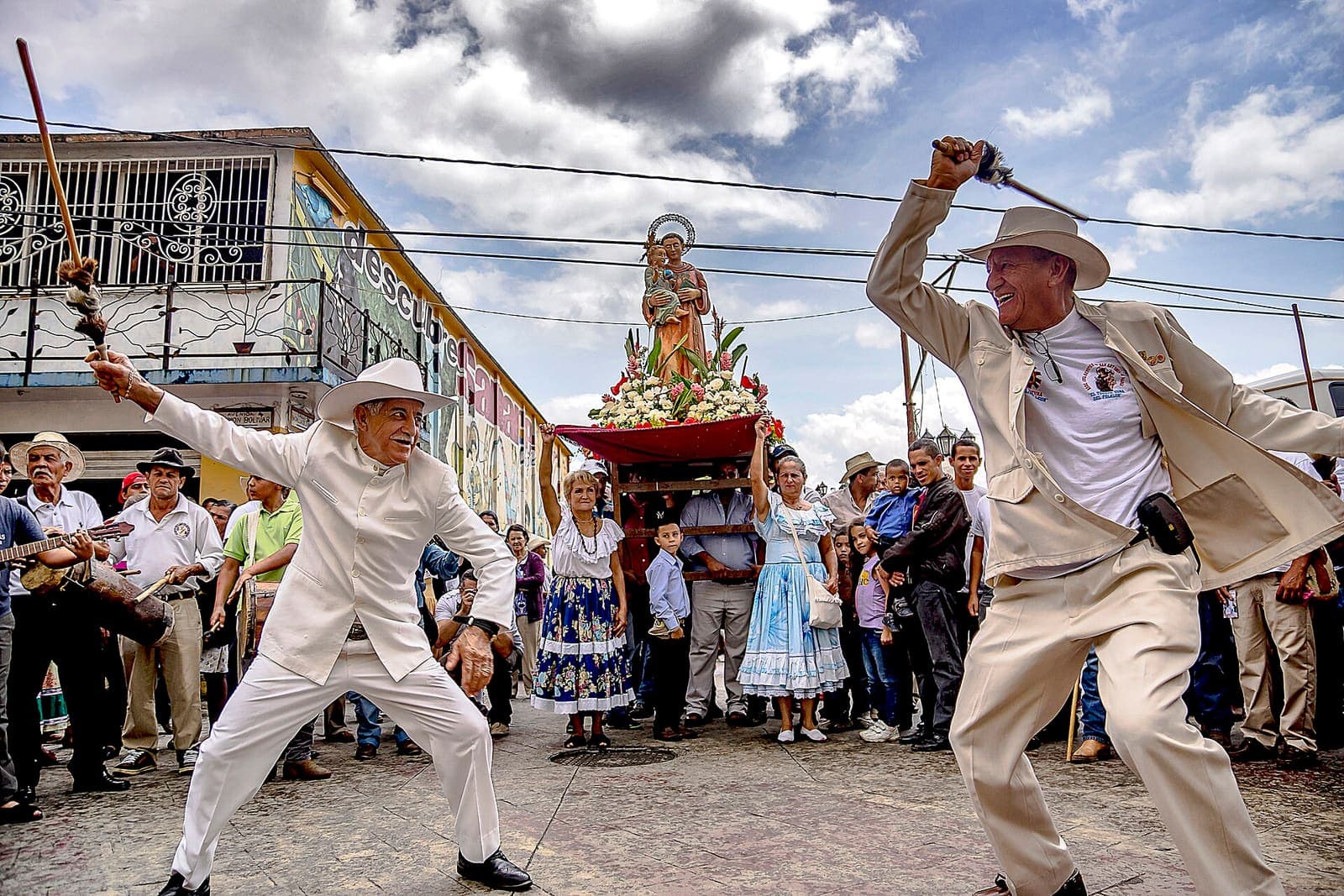
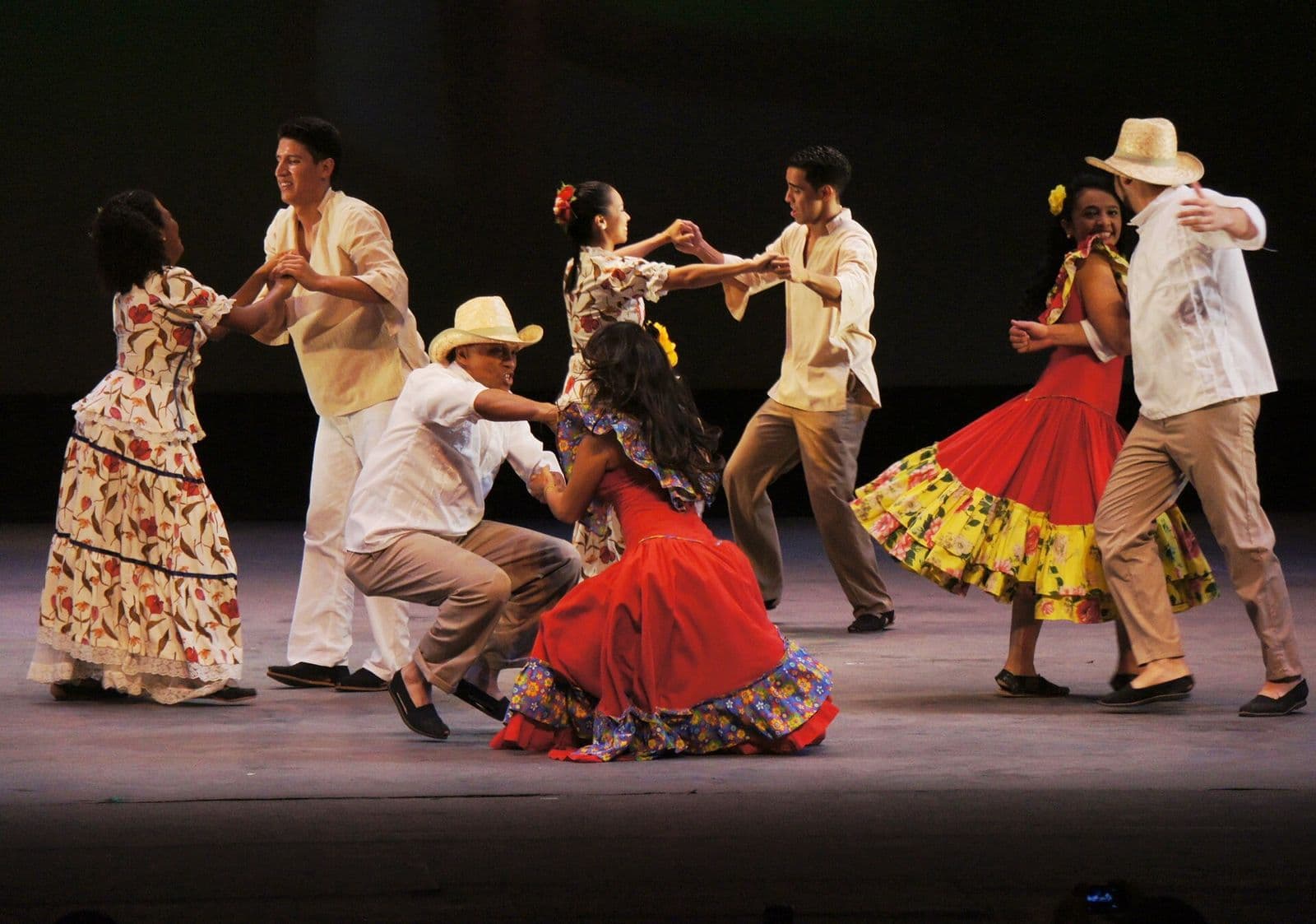
Tamunangue, or sones de negro. It is danced for Saint Anthony of Padua on June 13, with a vigil on the 12th. It comes from the El Tocuyo valley, where in 1609 a confraternity of Saint Anthony was founded for people of African origin and enslaved people. It has eight sones, or dance pieces (La Batalla, El Yiyivamos, La Bella, La Juruminga, La Perrendenga, El Poco a Poco, El Galerón and El Seis Figuriao), played on cuatros (small four-string guitars), requinto, medio cinco, cinco tocuyano, drum, maracas and tambora (a double-headed drum).[3]
The UNESCO bid. The Ministerio de Cultura (Culture Ministry) certified it as a national cultural asset in June 2014. In April 2024 Venezuela submitted the file “Tamunangue: sones de negro” in Paris, and in June 2025 the government announced that it would be inscribed. As of September 25, 2026, it does not appear among Venezuela's elements on UNESCO's intangible cultural heritage lists: its inscription is not confirmed.[5][6][7]
Golpe tocuyano, or golpe larense. It was born in El Tocuyo, where people prefer to call it tocuyano. It is sung by two alternating voices, with cuatro, medio cinco, requinto, tambora, maracas and the cinco tocuyano, which leads the ensemble, in a meter that layers 3/4 over 6/8. It was played at dawn, after a night-long velorio (wake) singing hymns of praise. In the fifties and sixties Ernesto Torrealba and Adilia Castillo took it to records, film and television.[8]
In Cabudare. In Palavecino the tamunangue goes out through the main streets to the sound of “La Batalla.” “La Bella” is among the most requested sones because anyone can dance it, while “El Galerón” demands stamina and agility. During the day the musicians visit the homes of people who made vows to the saint, and the festival closes at dawn with salves (sung prayers). On Holy Wednesday, beside the cemetery, singers with cuatro and cinco sing salves and tonos as the Nazarene passes under an enramada (a leafy arbor).[4][12]


Why there is no audio here
A recording carries two rights: one in the work and one in the sound recording. We do not embed audio or video we cannot publish; to hear these musicians, look for them on their performers' and labels' channels.
Voices and institutions

Alirio Díaz
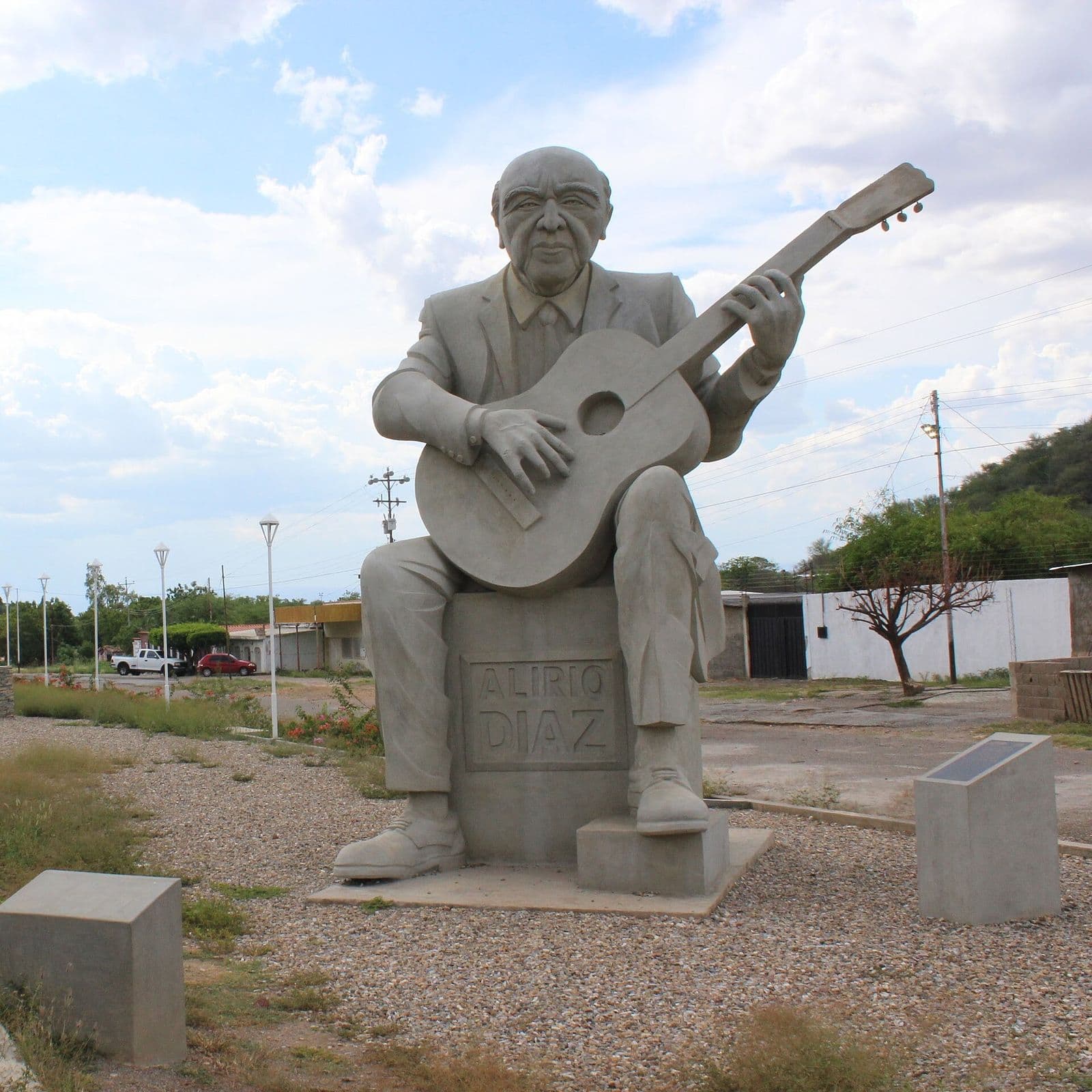
Classical guitarist. He studied in Caracas with Raúl Borges and in Italy with Andrés Segovia, at the Accademia Chigiana, where he became Segovia's assistant. He played with conductors such as Leopold Stokowski and Sergiu Celibidache and researched Venezuelan popular music. Guitar competitions in Carora and in Rome bear his name.[10]
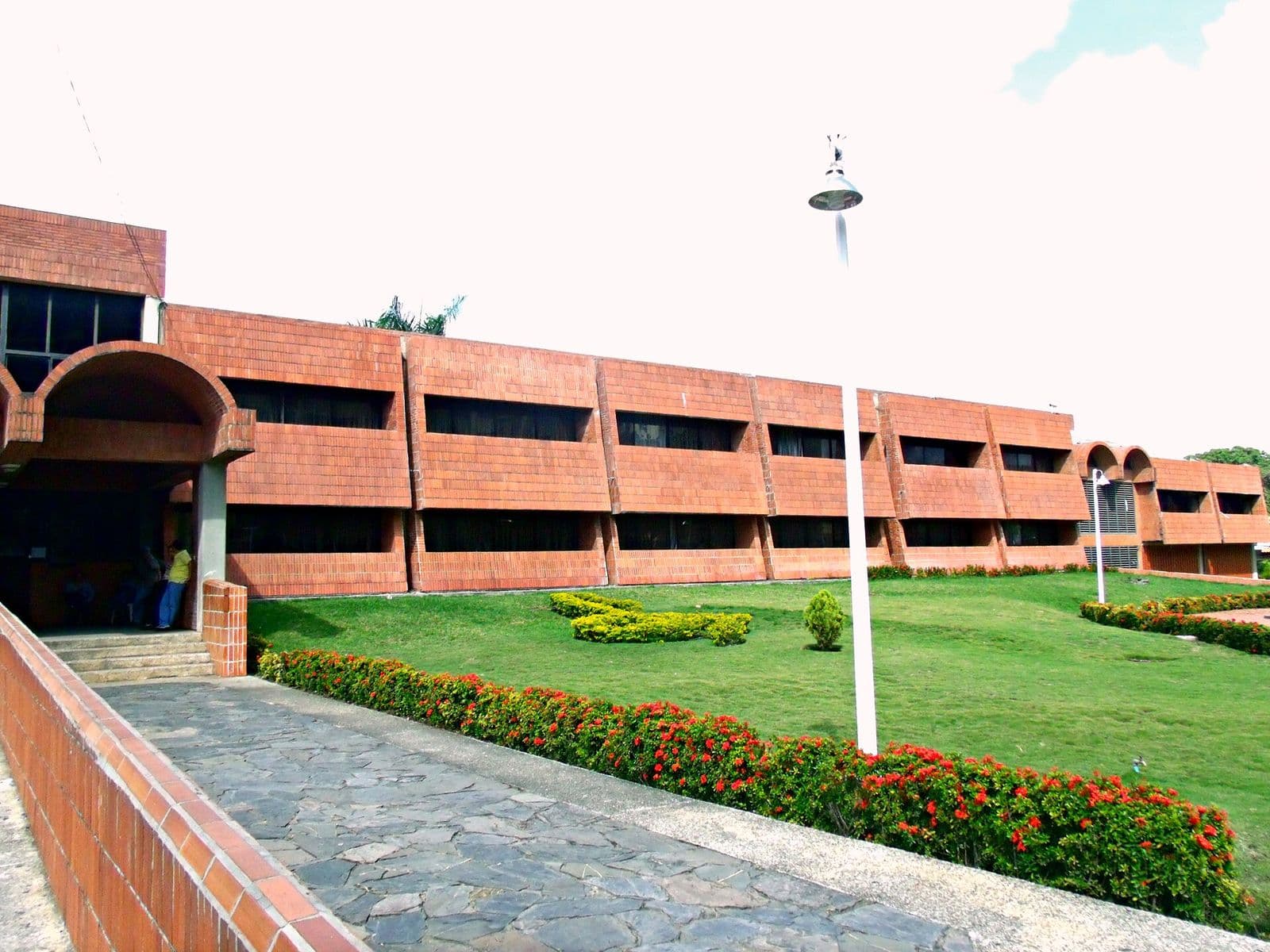

Conservatorio Vicente Emilio Sojo
The city's music school. Its former students include the conductors Gustavo Dudamel, Diego Matheuz and Rodolfo Saglimbeni.[2]
Los Golperos de Don Pío
Don Pío Rafael Alvarado founded the group in 1967; after his death, in 1983, it took the name by which it is known. He left more than a hundred recorded compositions, a sound archive of Lara's traditional music.[9]
Gustavo Dudamel
He took up the violin at age four in El Sistema. He has led the Orquesta Sinfónica Simón Bolívar since 1999, was music director of the Los Angeles Philharmonic from 2009 to 2026, and the New York Philharmonic named him its music director starting in 2026.[11]
Faith and festivals
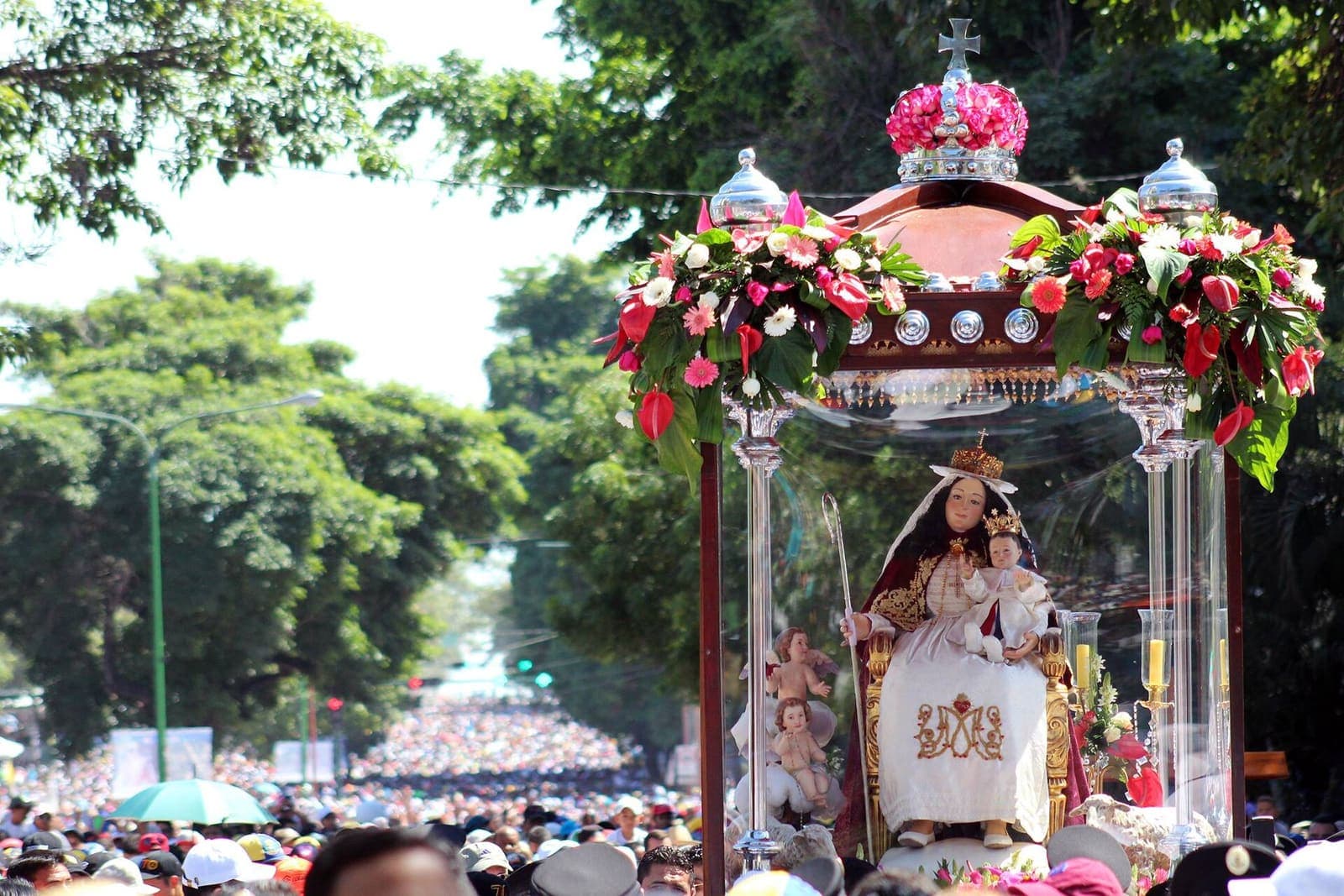

The Divina Pastora
The route. Every January 14 the image leaves the Santa Rosa sanctuary and travels a little over 7.5 km to the Cathedral, along Avenida Lara, Plaza Macario Yépez and Avenida Morán. It then visits the city's parishes and returns to Santa Rosa on Sábado de Concilio, the eve of Palm Sunday.[13]
The origin. The procession began in 1856, when Father José Macario Yépez called a rogation (a procession of prayer) against cholera. He died on June 16 of that year, and tradition remembers him as the epidemic's last victim. Barquisimeto's image dates from around 1740 and was canonically crowned on January 14, 1956, the procession's centenary.[13]
How many people go? There is no official count. At the 168th visit, on January 14, 2026, Church observers cited by El Nacional estimated nearly 4 million people, cautioning that official figures had yet to be confirmed.[14]
Other festivals
The Zaragozas of Sanare
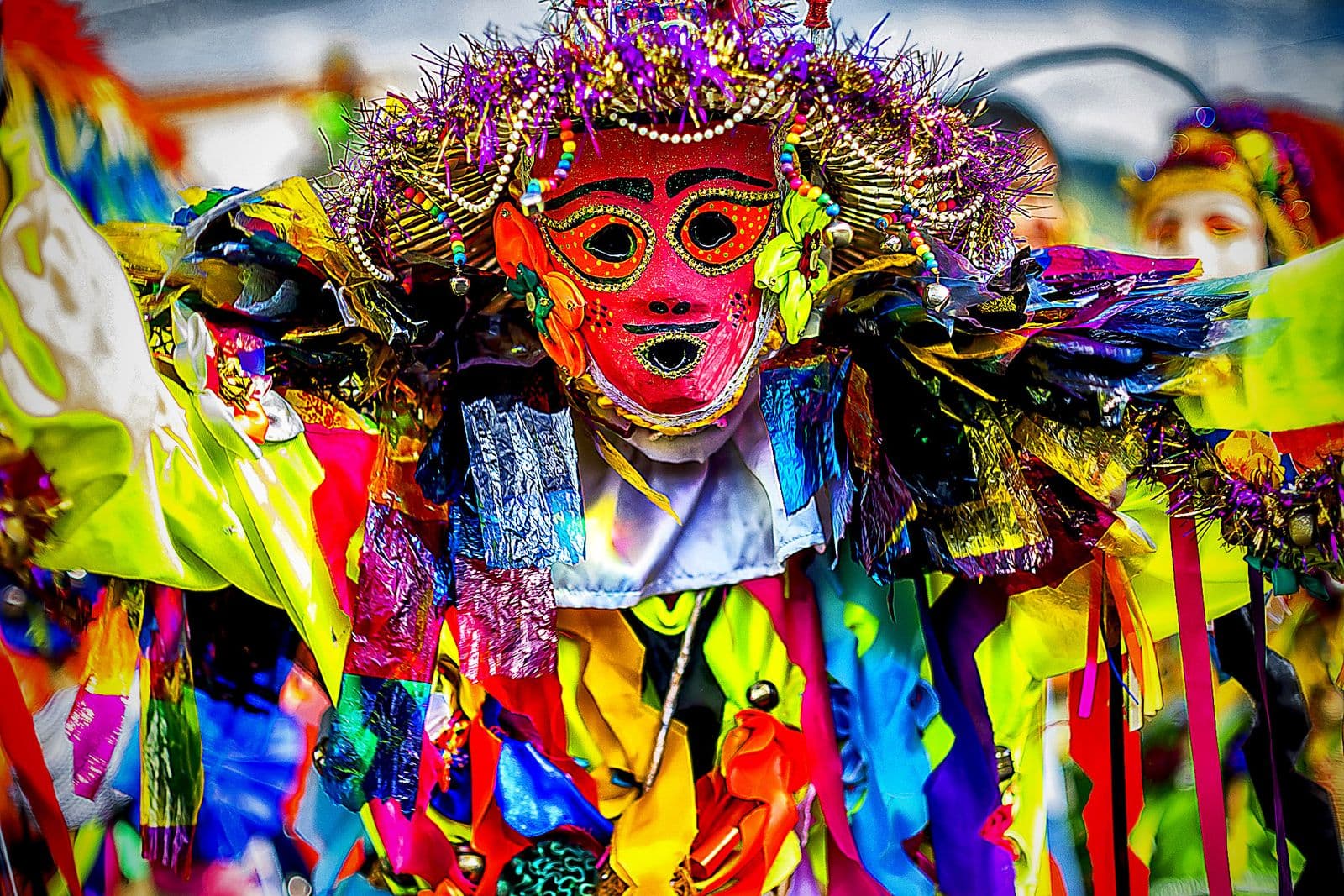
Every December 28, in Andrés Eloy Blanco municipality, the Zaragozas turn Holy Innocents' Day, which recalls the children Herod ordered killed in Bethlehem, into a festival of masks, colorful costumes and promesas (vows to a saint). The procession passes the church of San Isidro, visits the homes of those fulfilling vows and ends at the church of Santa Ana.[16]
Santa Bárbara, in Cabudare
Work on its chapel began in 1797 on a sugarcane hacienda; it fell in the 1812 earthquake and was rebuilt starting in 1815. It has been a Monumento Histórico Nacional (National Historic Monument) since 1960. Every December 4 the saint is celebrated with Mass, a procession, drums, singing and fireworks.[26]
The Palavecino calendar
Cabudare's year follows the calendar of saints: Día de Cabudare (Cabudare Day) on January 27, the enramada del Nazareno (a leafy arbor raised for the Nazarene) on Holy Wednesday, the velorios de cruz (Holy Cross wakes) in early May, and the vigil and tamunangue for Saint Anthony on June 12 and 13. The patron-saint festivals feature toros coleados (bull-tailing) and carreras de cintas (ribbon races on horseback).[12]
María Lionza and Sorte mountain
In Yaracuy, the state next to Lara, lies the center of one of Venezuela's most widespread popular faiths. We tell it the way its devotees and the people who study it do: as belief, without mockery or endorsement.
The Queen. To her devotees, María Lionza is a queen of nature: mistress of the mountain, protector of the waters and goddess of fertility, whom they call «la Reina» (the Queen). Scholars describe her cult as syncretic, with Indigenous, African and folk-Catholic roots. Anthropologist Daisy Barreto traces its oldest references to oral accounts from Yaracuy farmers in the early twentieth century.[27][28]
The legend. There are several versions. In one recorded in 1939 and attributed to the Nívar, a Jirajara people, a shaman foretells that the chief will have a green-eyed daughter who will bring ruin to her people on the day she sees her own face. She is hidden under a guard of 22 warriors; an anaconda puts them to sleep, the girl sees herself in a lagoon, and the serpent, drinking the water to reach her, bursts and floods the village. Another version makes her the daughter of Spanish landowners, saved from the anaconda by an onza (a wild cat).[27]
The Court. According to her followers, the spirits are organized into «cortes» (courts) by origin or trade (the Indigenous, the Black and the medical courts, among others) and form a pyramid. At the top are the tres potencias (three powers): María Lionza, the cacique Guaicaipuro, who resisted the Spanish conquerors, and el Negro Felipe, whom tradition makes a soldier of the War of Independence.[27][28]
Sorte. The heart of the cult is Sorte mountain, about 6 km from Chivacoa in Yaracuy, inside the Cerro María Lionza Natural Monument, protected by decree since March 18, 1960. Pilgrims visit its altars all year, above all on the feasts of Saint Joseph, Our Lady of Mount Carmel and the Virgin of Coromoto, and on October 12.[27][29]
The baile en candela. Every October 12, Venezuela's Day of Indigenous Resistance, mediums and devotees from several states dance barefoot on hot coals at Sorte, in a trance their devotees experience as possession by spirits. Reports record burns among participants. The Instituto del Patrimonio Cultural (Institute of Cultural Heritage) declared the baile en candela (dance in fire) Intangible Cultural Heritage of the Nation in October 2024.[28][30][31]
The statue. In 1951 sculptor Alejandro Colina portrayed her nude, astride a tapir and raising a pelvis, as a cauldron for the Bolivarian Games in Caracas. For decades it presided over the freeway beside the University City. In 2004, while a mold was being taken for a replica, the original was badly damaged: the replica stayed on the freeway and the original, once restored, went to a UCV storeroom.[27][32][34]
The journey to Sorte. Overnight on October 2 to 3, 2022, the government removed the original from the UCV without the university's authorization and took it to Yaracuy. On October 9 a plaza with the statue was inaugurated there, in the Quibayo sector of Sorte mountain.[32][33]
Crafts

Tintorero: hammocks and chinchorros
Its cotton hammocks, chinchorros (open-weave hammocks) and blankets carry on an Indigenous practice that changed in the late nineteenth century with the pedal loom brought by Juan Evangelista Torrealba, teacher of Sixto Sarmiento. The town takes its name from the dyes of its threads (tintorero means dyer). Its craft fair, held every August, marked its 30th edition from August 27 to 31, 2025, with 170 artisans working in wood, clay and textiles, 90 of them from 16 states.[17][18]
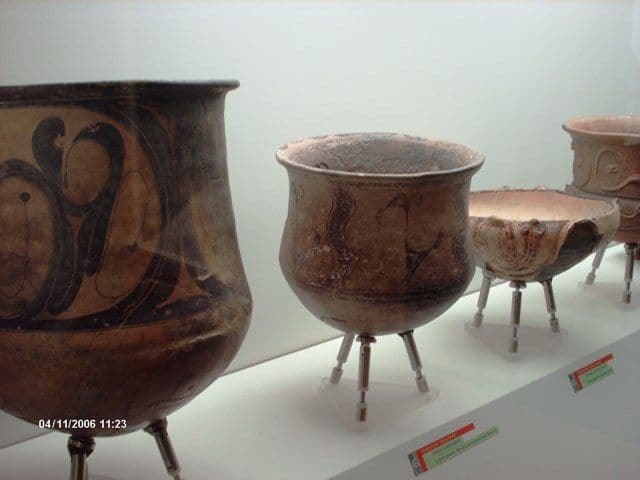

Quíbor: clay and archaeology
It is known as the Ciudad Artesanal de Venezuela (Venezuela's Craft City), and pottery is one of its main trades. It is also one of the country's important archaeological sites: the pre-Hispanic cemeteries of El Boulevard and Las Locas, dating from the second to the seventh centuries, yielded ceramics, shell ornaments and textiles now kept by the Museo Antropológico Francisco Tamayo.[19]
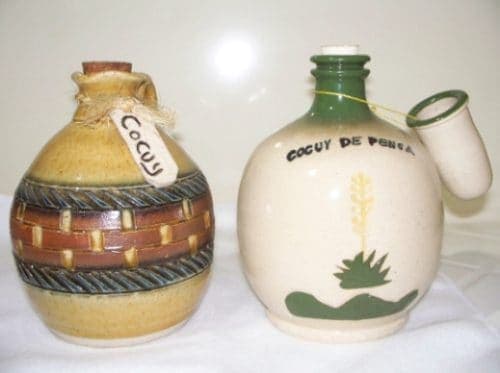

Cocuy: the agave spirit
It is distilled from Agave cocui: the heart of the plant is roasted and pressed, and the juice ferments with wild yeasts before passing through artisanal stills. It was illegal under the Gómez regime (gomecismo) and persecuted after a 1954 law; in 2013 eight producers received permanent permits. Siquisique's cocuy is distinct from that of Pecaya, in Falcón, which has had a designation of origin since 2001; in 2019 Lara's producers were seeking their own.[20][21]
Literature and the arts
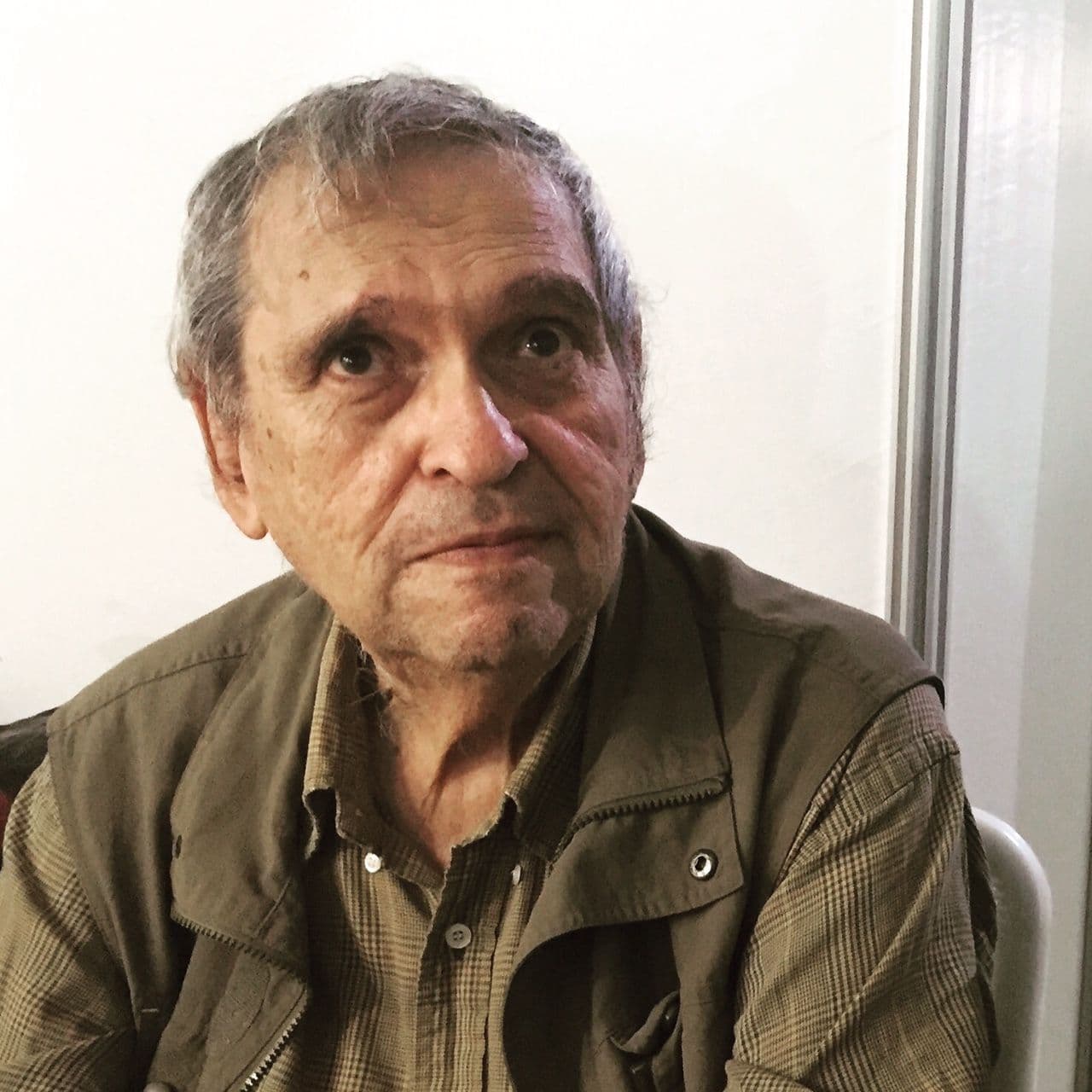

Rafael Cadenas
His poem “Derrota” (Defeat) became an emblem of Venezuelan poetry of the sixties; his books include Los cuadernos del destierro (1960) and Amante (1983). Premio Nacional de Literatura (National Literature Prize, 1985), FIL Prize for Literature in Romance Languages (2009), Reina Sofía Prize for Ibero-American Poetry (2018) and, in 2022, the Cervantes Prize, the first for a Venezuelan.[22]
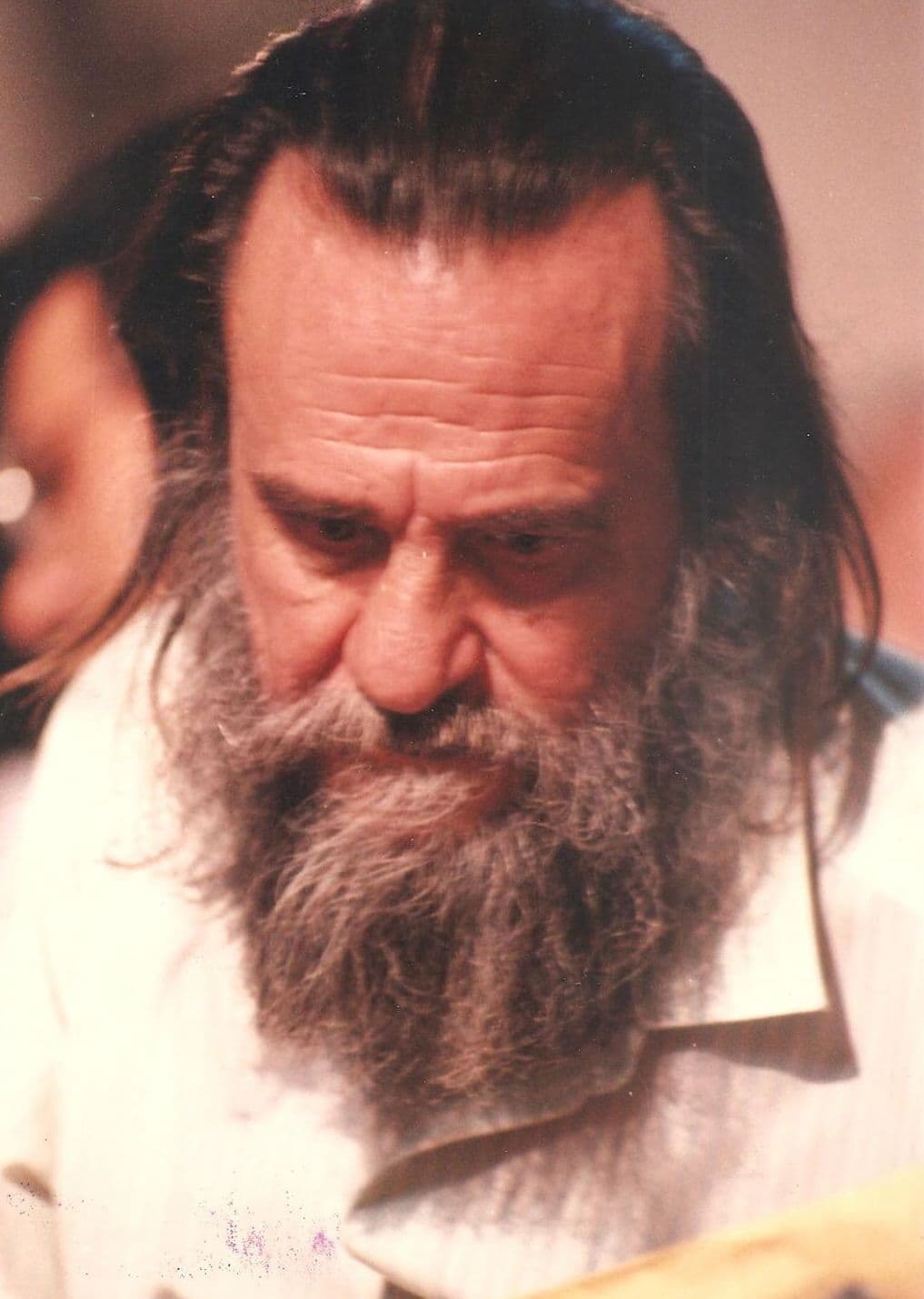

Salvador Garmendia
He belonged to the Sardio and El Techo de la Ballena groups. With Los pequeños seres (1959) he opened an urban, existential strand of fiction; Memorias de Altagracia (1974) is among his major works. Premio Nacional de Literatura in 1973 and the Juan Rulfo Prize in 1989.[23]
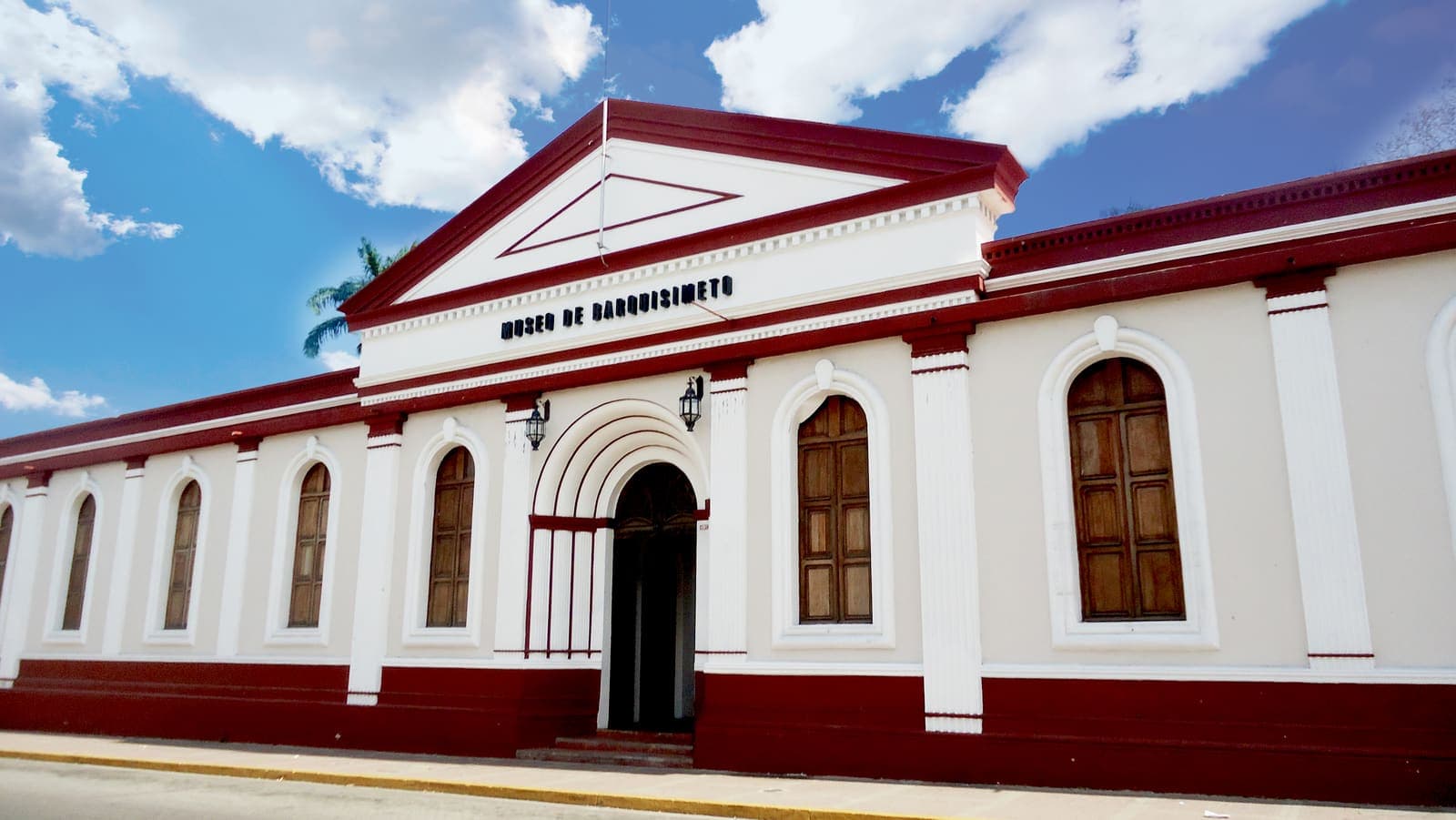

Museo de Barquisimeto
It opened on July 18, 1982, in the former Hospital de la Caridad, a neoclassical building by the German Justo Rosenberg erected between 1878 and 1917. Its courtyard holds the chapel of San Miguel (1922–1924). It shows the city's art and history.[24]
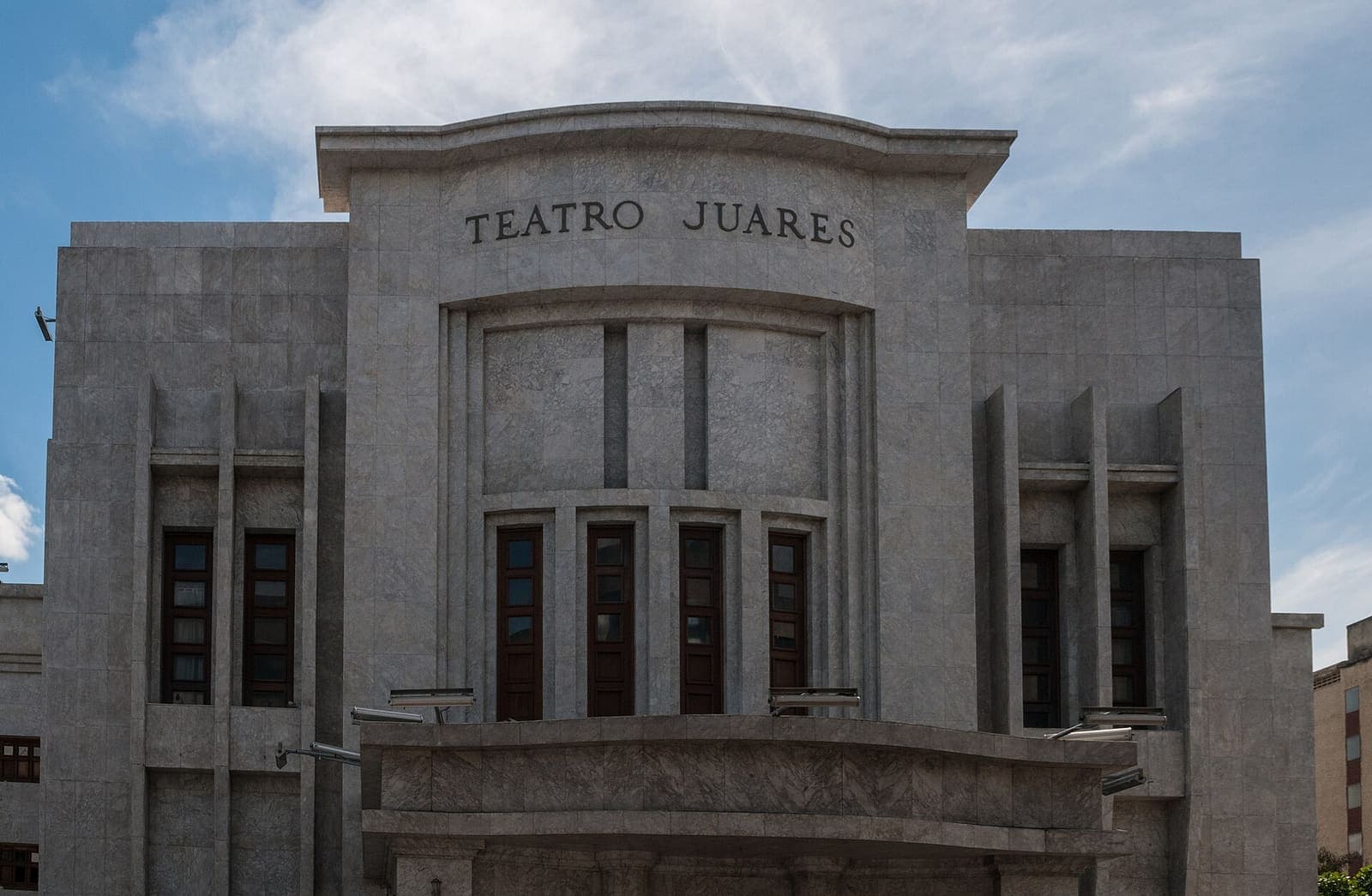

Teatro Juares
It opened in 1905 as the Teatro Municipal; in 1912 the city council named it Juares, spelled that way to avoid confusion with Benito Juárez. It reopened on April 27, 2009, after about ten years of work, with a concert conducted by Gustavo Dudamel. It has 708 seats.[25]
Cultural calendar
Events that recur every year. We give the month and, when it is fixed, the day; the dates of each edition are announced by the organizers.
January 14
Divina Pastora procession
A little over 7.5 km on foot behind the image, since 1856.[13]
January 27
Día de Cabudare
The city's own holiday.[12]
Holy Wednesday (March or April)
Enramada del Nazareno
Salves and tonos with cuatro and cinco as Jesús Nazareno passes.[12]
Early May
Velorios de Cruz
Holy Cross wakes, one of the folk traditions of Cabudare's calendar.[12]
September, around the 14th
Feria Internacional de Barquisimeto
Since 1967, for the city's anniversary: concerts, exhibitions and a livestock fair.[15]
December 4
Fiesta de Santa Bárbara
Mass, a procession, drums and singing at the colonial chapel.[26]
December 28
Los Zaragozas
Masks and vows for Holy Innocents' Day.[16]
Lara on social media
Barquisimeto and Cabudare on TikTok and Instagram
Videos by creators from the region, picked by the newsroom.
- Open on TikTok: BieloDegusta, opens in a new tab
BieloDegusta @bielodegusta · TikTok
Arab-style grill in Barquisimeto
- Open on TikTok: Cardenales de Lara, opens in a new tab
Cardenales de Lara @cardenalesbbc · TikTok
Baseball is back home
- Open on TikTok: Anthony Darex, opens in a new tab
Anthony Darex @anthonydarex · TikTok
The cuatro of Lara
Picked by the newsroom. Each video belongs to its creator.
Culture section sources
- 1.Wikipedia, Barquisimeto.
- 2.Wikipedia, Conservatorio Vicente Emilio Sojo.
- 3.Wikipedia, Tamunangue.
- 4.Wikipedia, Municipio Palavecino.
- 5.Últimas Noticias, Venezuela delivers Tamunangue file to UNESCO (Apr 18, 2024).
- 6.Prensa Presidencial, El Tamunangue será inscrito como Patrimonio Cultural Inmaterial de la Humanidad (Jun 17, 2025).
- 7.UNESCO, Patrimonio Cultural Inmaterial, Venezuela (Bolivarian Republic of): elements on the Lists.
- 8.Wikipedia, Golpe tocuyano.
- 9.Alba Ciudad, Falleció Martín Briceño, uno de los fundadores de Los Golperos de don Pío Alvarado (Apr 2017).
- 10.Wikipedia, Alirio Díaz.
- 11.Wikipedia, Gustavo Dudamel.
- 12.Wikipedia, Cabudare.
- 13.Wikipedia, Divina Pastora (Barquisimeto).
- 14.El Nacional, Procesión de la Divina Pastora congregó a casi 4 millones de personas en Barquisimeto (Jan 15, 2026).
- 15.Wikipedia, Feria Internacional de Barquisimeto.
- 16.La Prensa de Lara, Sanare se viste de color y fe para recibir a los Zaragozas este 28 de diciembre (Dec 27, 2025).
- 17.Wikipedia, Tintorero (Venezuela).
- 18.Noticias Barquisimeto, ¡Vuelve la tradición! Tintorero se prepara para la 30ª edición de su Feria Artesanal (Aug 25, 2025).
- 19.Wikipedia, Quíbor.
- 20.Wikipedia, Licor de cocuy.
- 21.El Estímulo / Bienmesabe, El verdadero cocuy defiende su identidad (Oct 2, 2019).
- 22.Wikipedia, Rafael Cadenas.
- 23.Wikipedia, Salvador Garmendia.
- 24.Wikipedia, Museo de Barquisimeto.
- 25.Wikipedia, Teatro Juares.
- 26.Wikipedia, Santa Bárbara (Cabudare).
- 27.Mirta Camacho-Rivas, Revista Estudios Culturales (Universidad de Carabobo), 14 (28), María Lionza: el culto a Yara, la reina de los ojos verdes (2021).
- 28.Wikipedia, María Lionza.
- 29.Wikipedia, Montaña de Sorte.
- 30.Ministerio del Poder Popular para la Cultura, El Baile en Candela es declarado Patrimonio Inmaterial de la Nación (Oct 11, 2024).
- 31.El Estímulo, «Los espíritus bailan en candela», un registro del 12 de octubre en Sorte (Oct 12, 2024).
- 32.Crónica Uno, De la autopista a Sorte: el irregular viaje de 16 años que el Gobierno hizo dar a María Lionza (Oct 4, 2022).
- 33.Efecto Cocuyo, Inauguran plaza con estatua de María Lionza en Yaracuy (Oct 9, 2022).
- 34.Wikipedia, María Lionza (statue).